


Does anybody remember Stockton Rush?
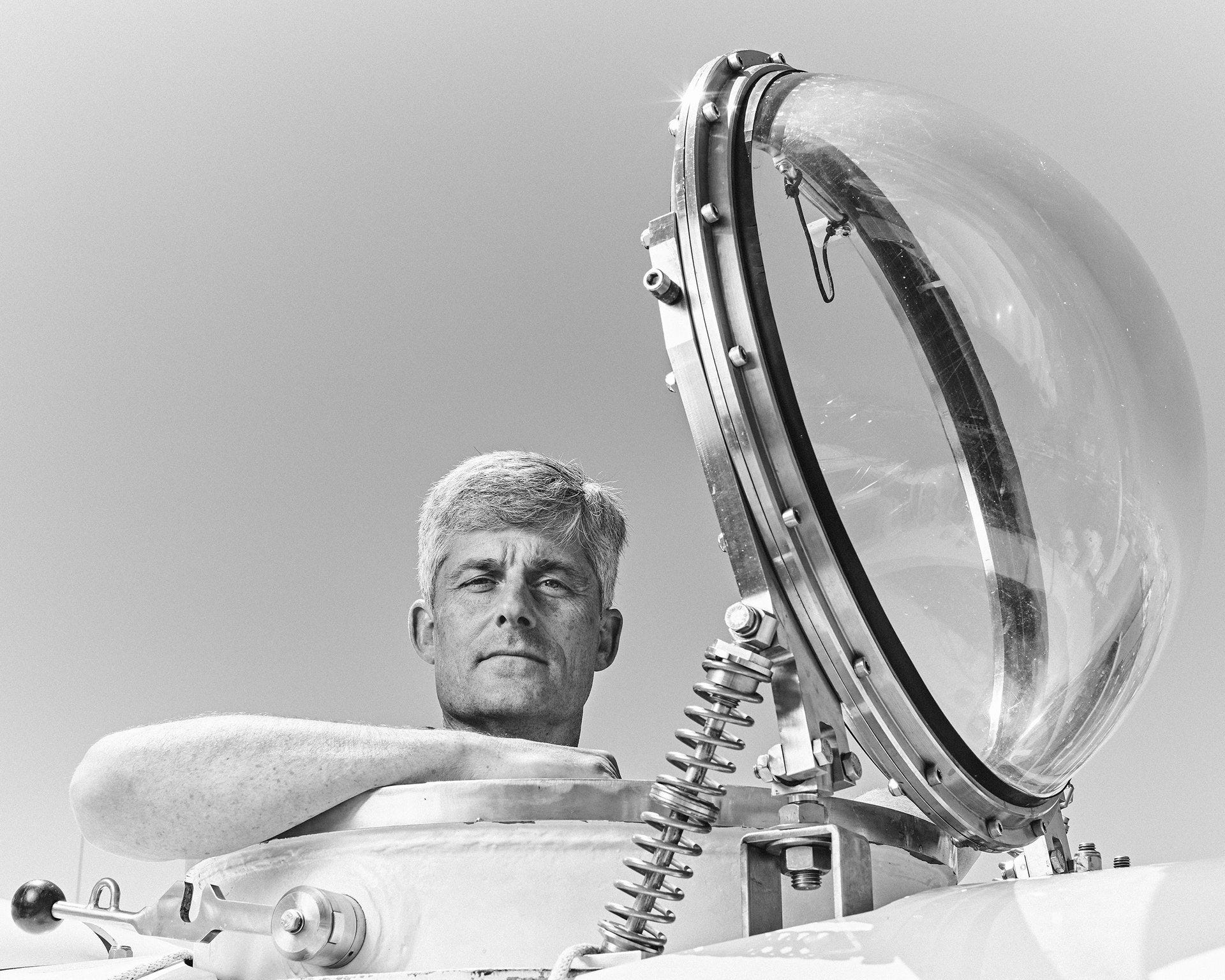
If not, Balazs Gardi’s portraits of him foreshadow the power, mystique, and danger surrounding today’s AI figureheads. They mirror the blurring lines between tech giants, their systems, and the risks they create.
Rush was an American entrepreneur and the co-founder and CEO of OceanGate. An investor who inherited his wealth, he founded the company to build submersibles for deep-sea expeditions, specifically to take paying passengers to the wreck of the Titanic.
On June 18, 2023, Rush died while piloting OceanGate’s Titan toward the Titanic wreck when the submersible imploded, killing all five people aboard. He had pushed ahead despite warnings about the vessel’s safety, while OceanGate bypassed independent certification and failed to act on critical inspection and monitoring data.
Rush’s swagger and sense of entitlement had a familiar Silicon Valley ring. “If you’re not breaking things, you’re not innovating,” he proclaimed at the 2022 GeekWire Summit. “To me, the more stuff you’ve broken, the more innovative you’ve been.”
The OceanGate catastrophe is not an AI allegory. But Rush’s ethic echoes the enduring Mark Zuckerberg mantra, “move fast and break things,” which valorizes speed as virtue, restraint as impediment, and disruption as advancement. The risks are different, but the fantasy isn’t: the founder fused with his machine, racing ahead of the rules.
Illustrating a 2023 New Yorker article about the accident, Balazs Gardi’s portrait of Rush has stayed with me ever since. The sureness of his gaze; the brilliant silvery tone that collapses Rush into the contraption; the clean-room sterility; the open hatch evoking everyone who ever wore a space helmet; and the assured perch of his right arm set up a fatal before-and-after: the portentous display of a head without a body, and Rush all but swallowed by his vessel-turned-sarcophagus.
If Gardi’s portrait now reads as a warning in retrospect, portraits of today’s AI founders are flashing red lights. Steeped in audacity and distortion, magazine covers and feature images do more than elevate their subjects. They visualize the power, mystique, and the alarm gathered around them.

In acid-pink, WIRED’s October 2023 warning shot could be seen as a cornerstone. As AI permeates work and play, portraits and illustrations of “AI Overlords” are gaining momentum.


Last month’s hallucinatory Sam Altman Die Zeit cover image serves as a counterpoint to an otherwise tame interview.
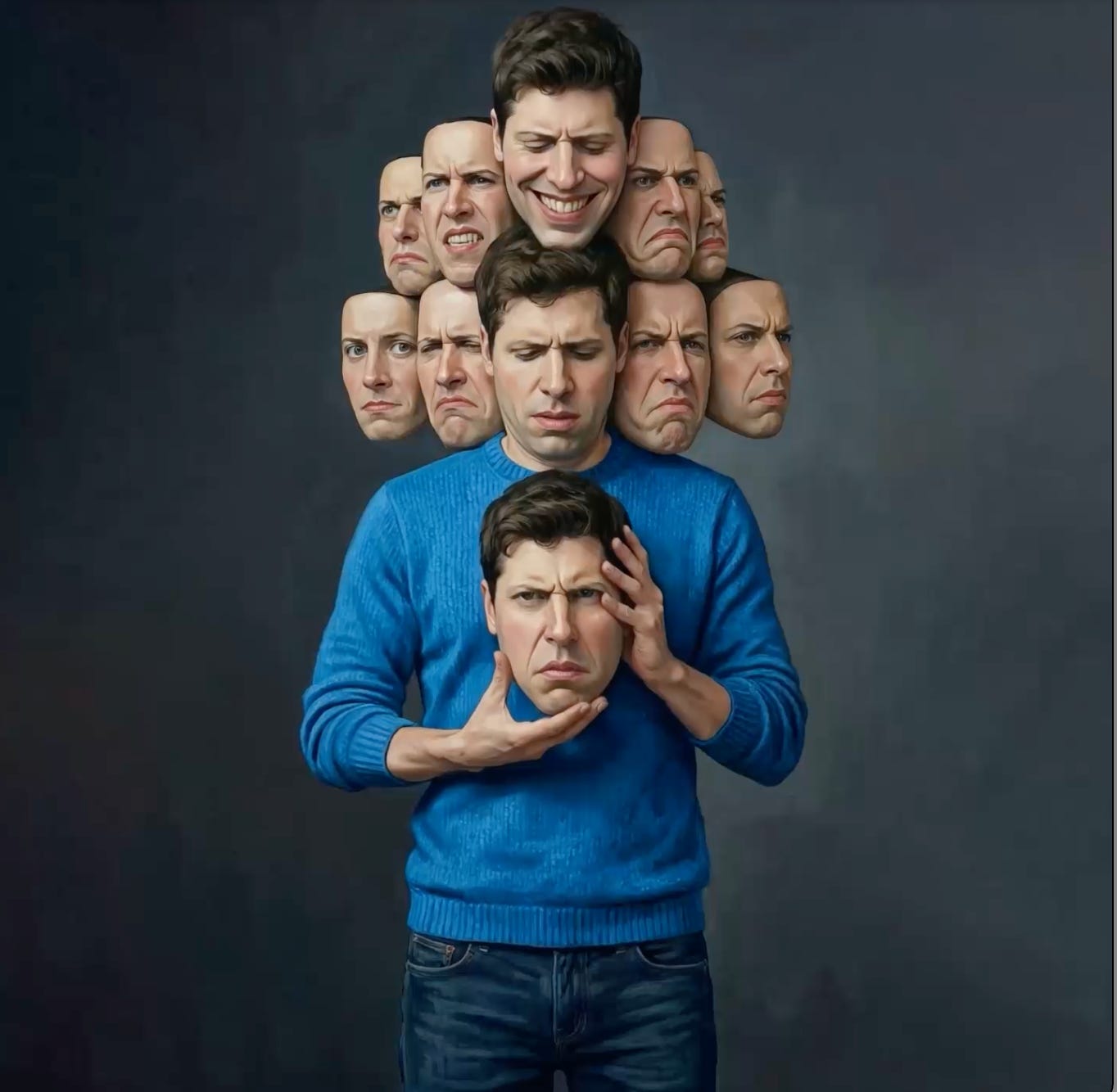
A strange Altman AI-generated animation opens an April New Yorker story, asking whether he can be trusted.
Last week’s acerbic SNL Weekend Update interview brilliantly spoofs Anthropic’s Dario Amodei.
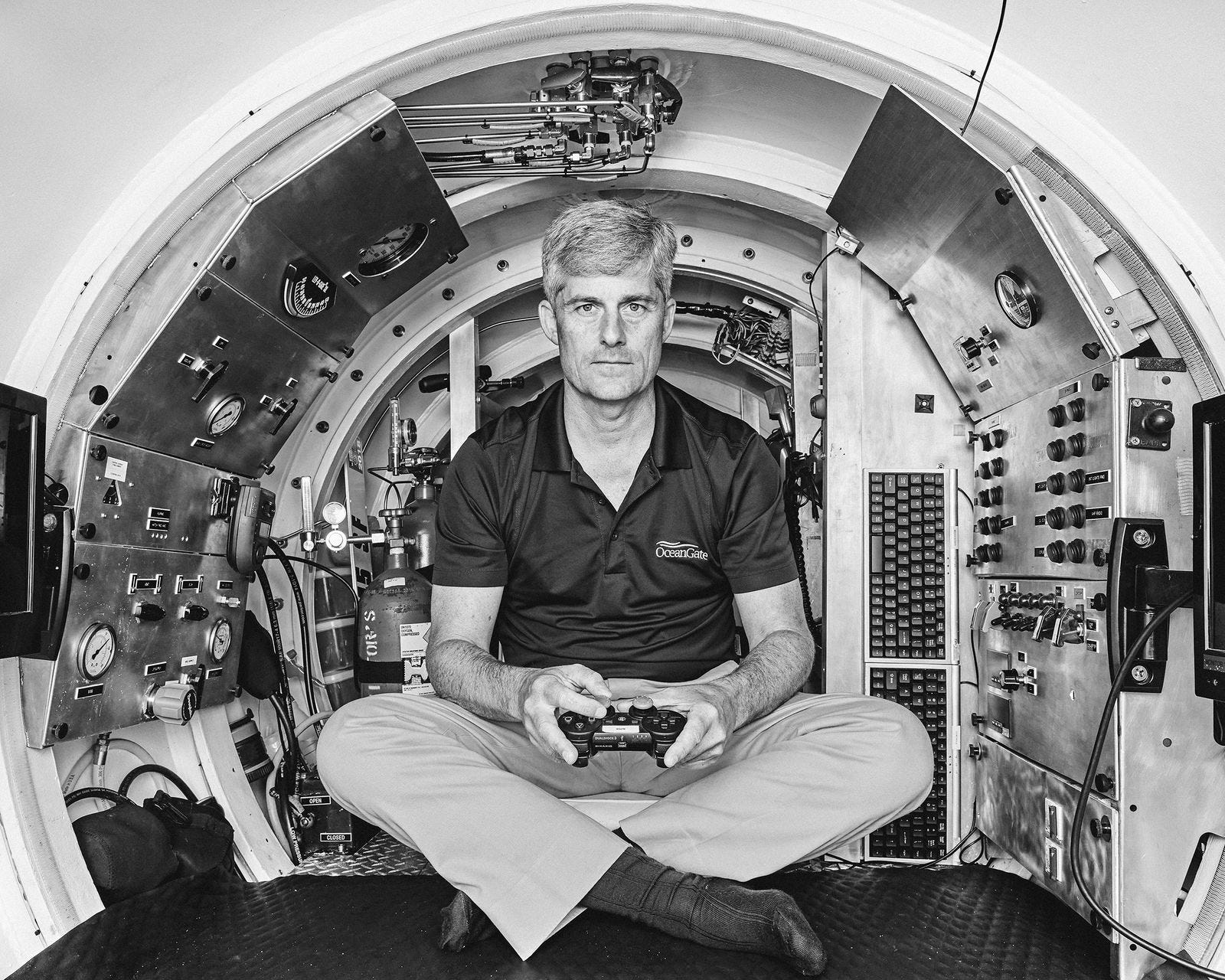
Another Gardi image from the 2023 New Yorker article makes for a perfect bookend. As opposed to the man on top, here you see Rush encased like a pretzel in his man cave, manipulating his game-like controller, like one more tech giant living in the fantasy world of 13-year-old boys.
It features Rush in his socks, in his magic box, mesmerized by his last great idea.
Thank you for visiting Reading the Pictures. In an intensely visual and polarized political culture, we remain a singular source for closely reading news photography and media images. The way we see shapes what we believe, and close attention is a democratic act. This post is public, so please share it.
To receive new posts and support our work, consider becoming a free or paid subscriber. As a non-profit organization, your subscription is tax-deductible.