


Watch: Chatting the Pictures
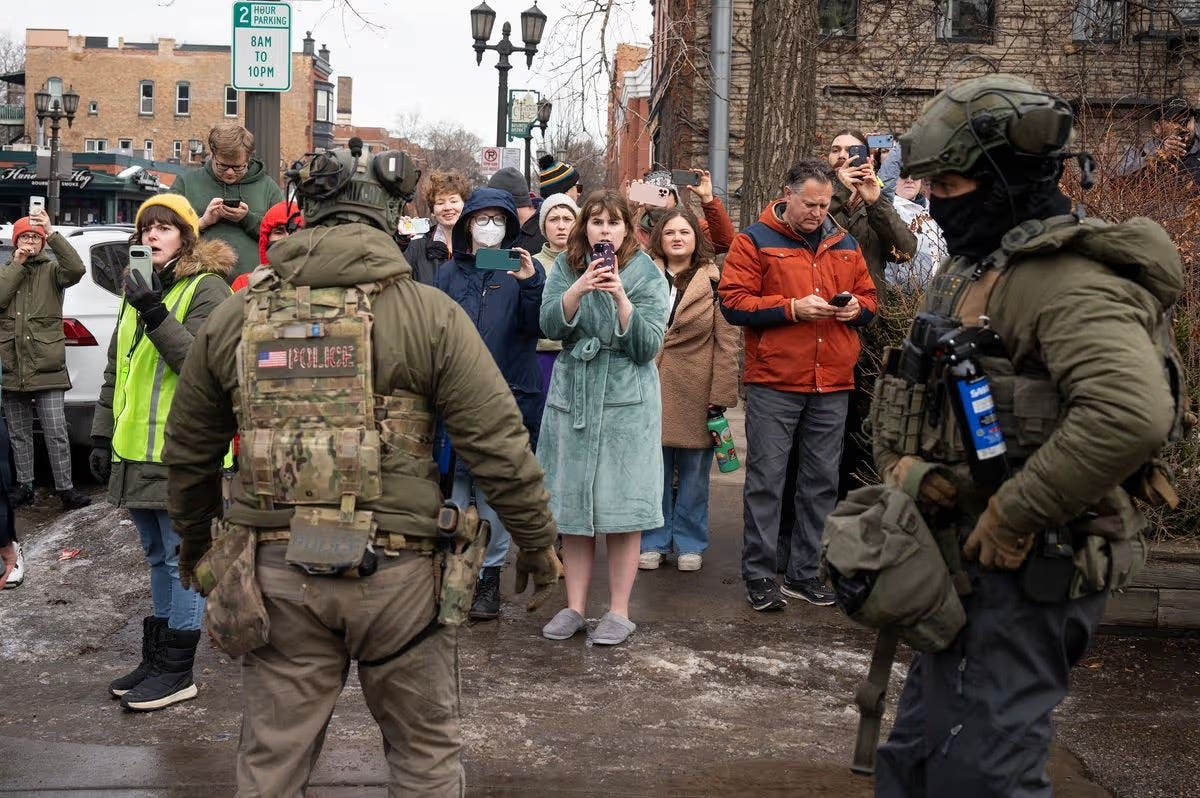
Leila Navidi’s photograph for the Minneapolis Star Tribune shows St. Paul neighbors on a Cathedral Hill sidewalk on February 11, 2026, standing shoulder to shoulder with their phones raised as militarized ICE agents turn away.
What began as a spontaneous response to a high‑speed crash caused by an ICE chase becomes, in her frame, a rare picture of collective solidarity—everyday residents forming a united front, documenting federal power, and quietly claiming the moral ground.
While the image went viral, little was written about why it had such an impact. In our latest Chatting the Pictures video, we read it detail by detail, to show how its composition, timing, and gestures have made it a breakthrough resistance picture for this state and this moment. Watch now:
The events that built this picture
What follows are “companion images” that show how the Twin Cities had been visually building toward that moment, and how much Navidi’s photograph carries in a single frame.
Patriotism
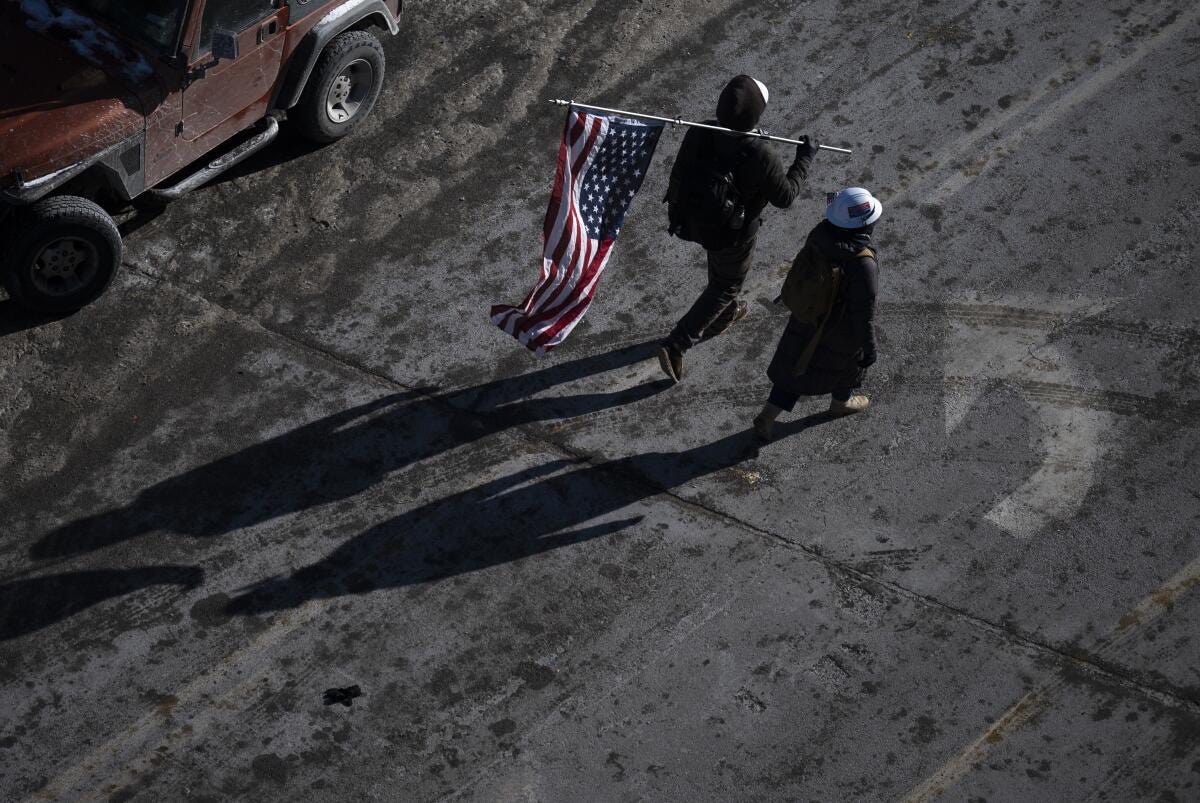
The flag that once staged official power becomes a neighborhood standard here—an early glimpse of the homegrown patriotism that will crest in Navidi’s frame, when residents claim the street as theirs.
Solidarity
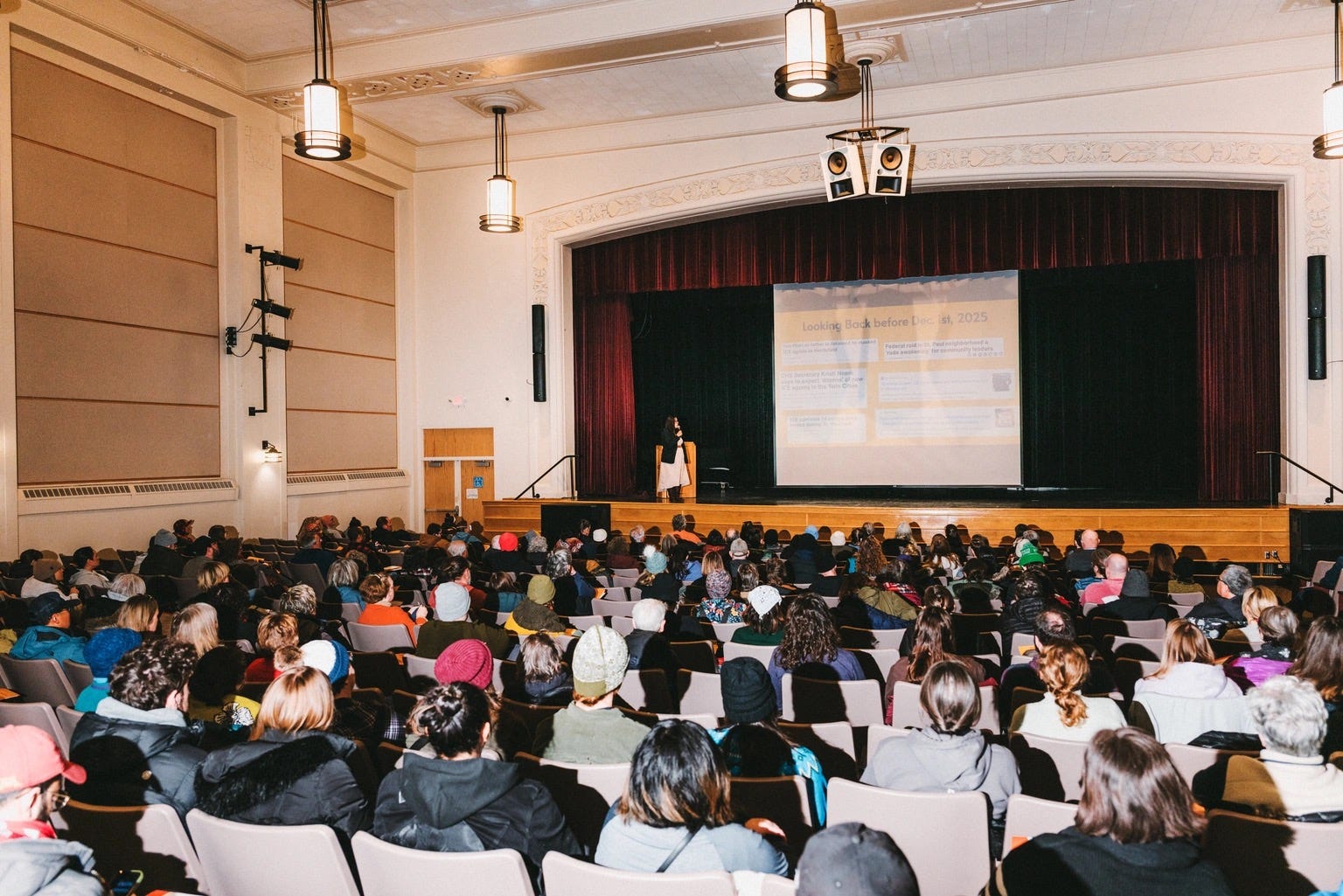
Residents pack a school auditorium as a community organizer walks them through the federal crackdown and ICE raids in Minneapolis, one of many neighborhood meetings that sprang up to understand the violence and plan a collective response.
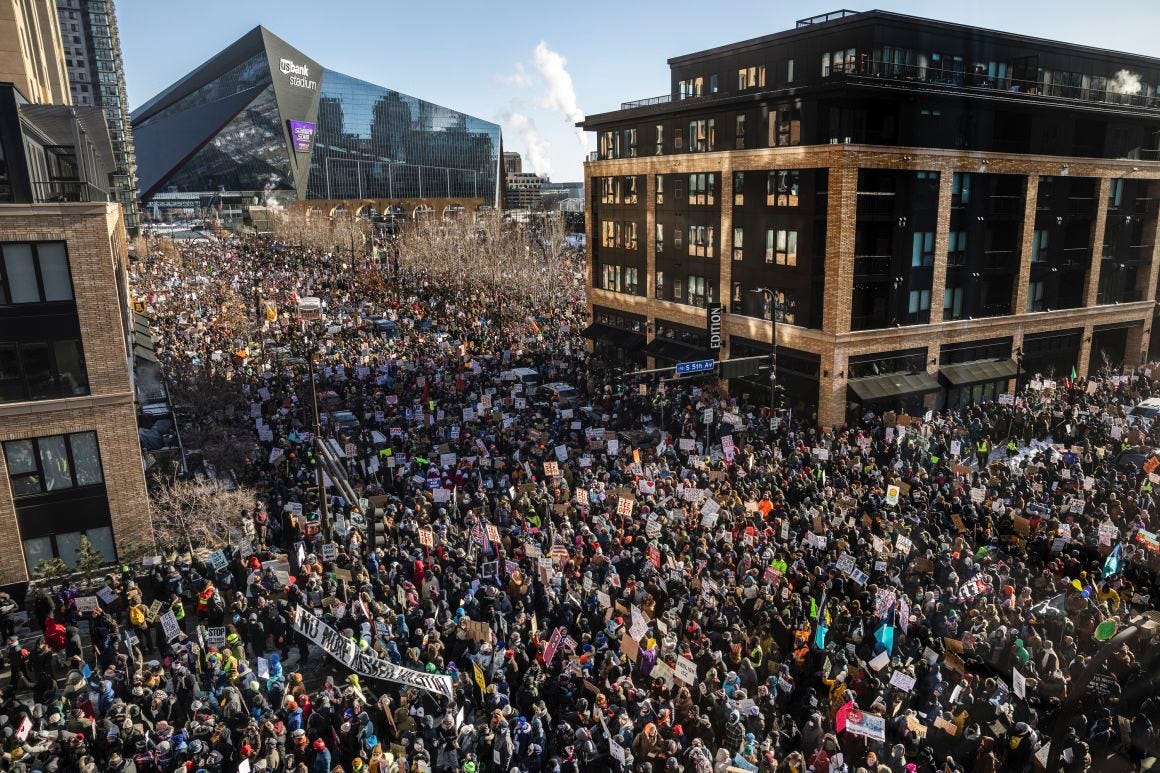
These rooms and streets are the scaffolding beneath Navidi’s stand‑off: a city that has already been meeting, learning, and shivering together, so that when ICE rolls in again, neighbors know instinctively how to show up with their bodies and their phones.
Doggedness
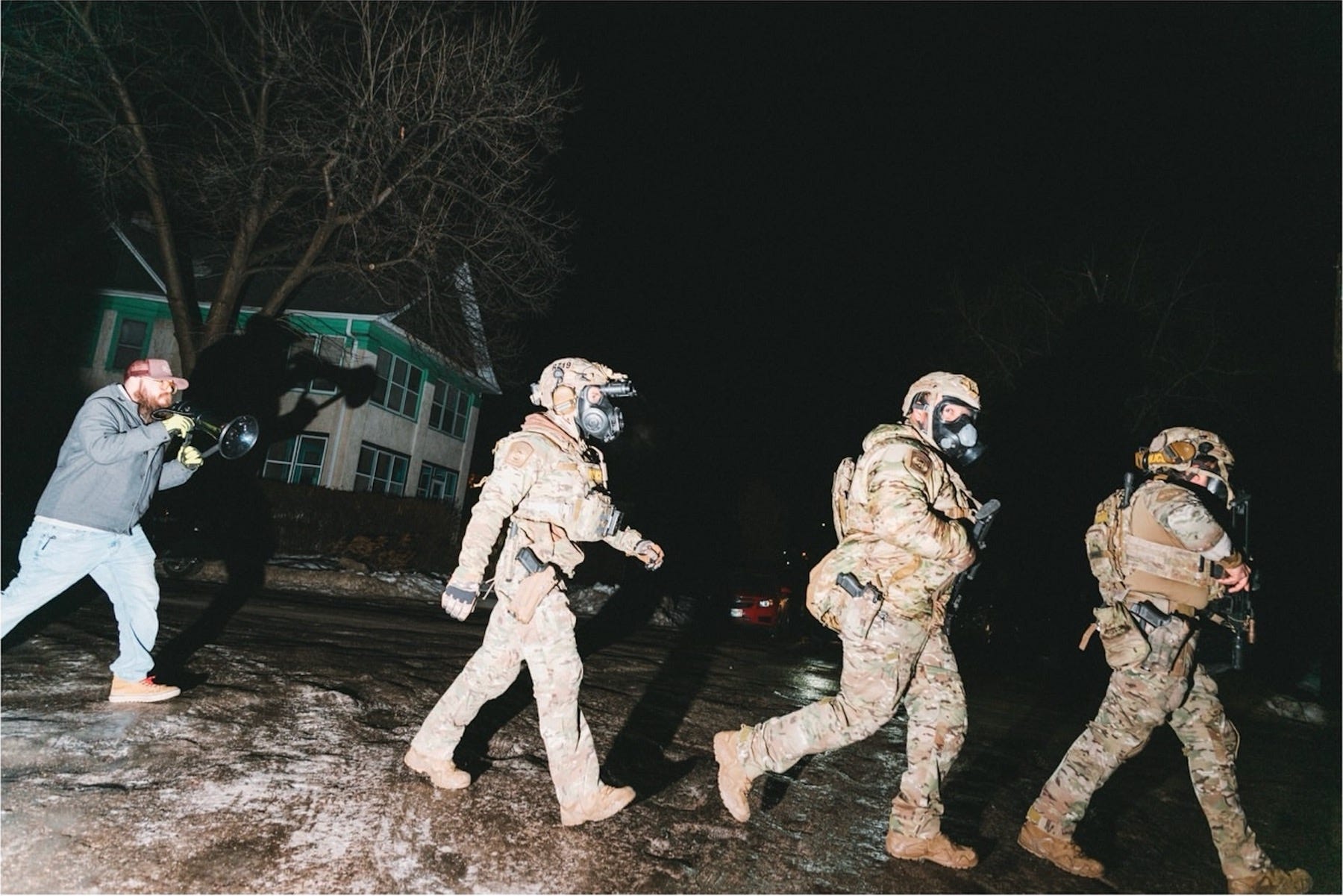
By the time we reach Navidi’s picture, that ethic of systematically following and filming has moved from lone individuals and resistance networks to a whole block of neighbors, turning pursuit into a spontaneous neighborhood reflex.
Key Icons
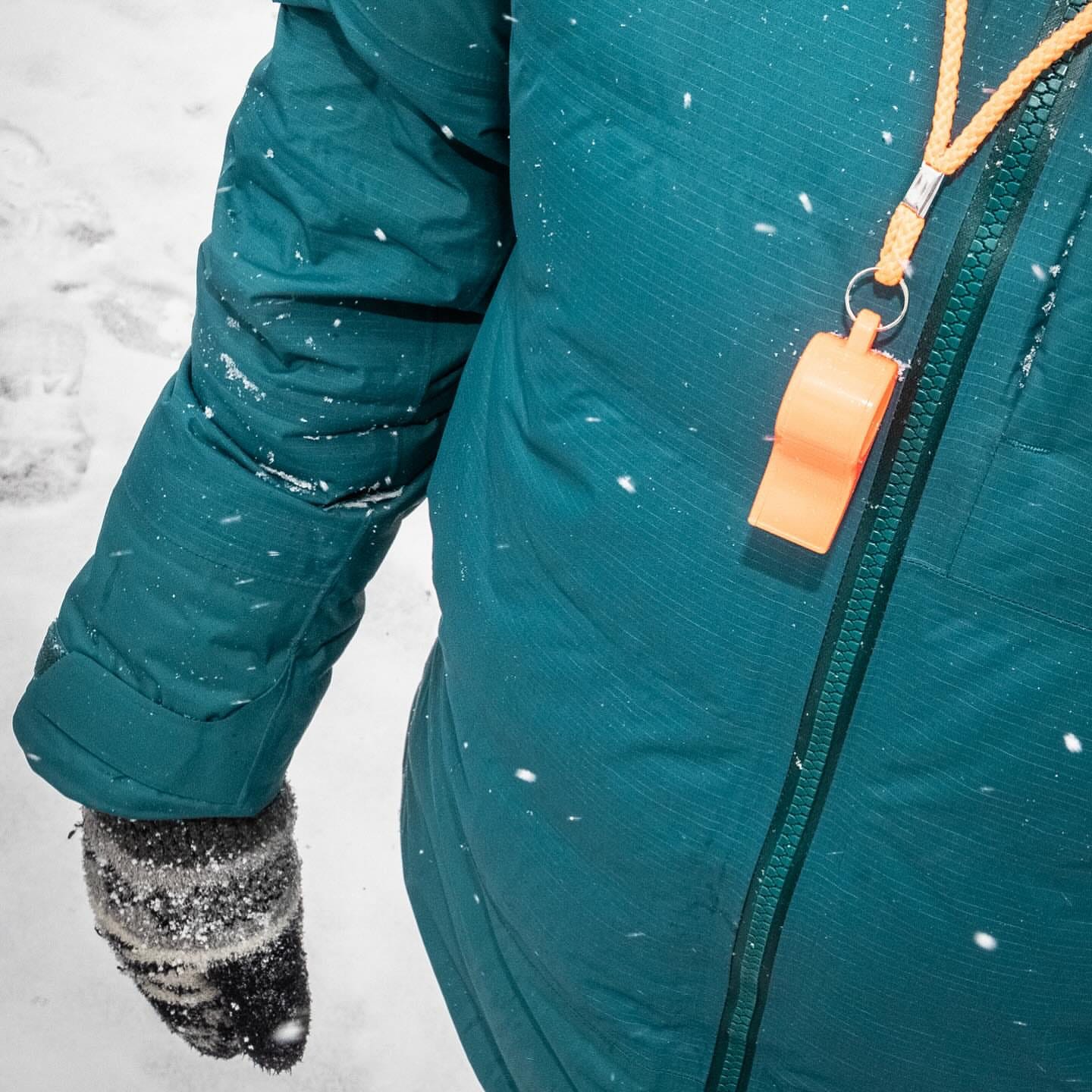
In Navidi’s photo, that commitment condenses into objects. At the far left, a woman stands with a phone in one hand and a whistle in the other, her body oriented toward the agents.
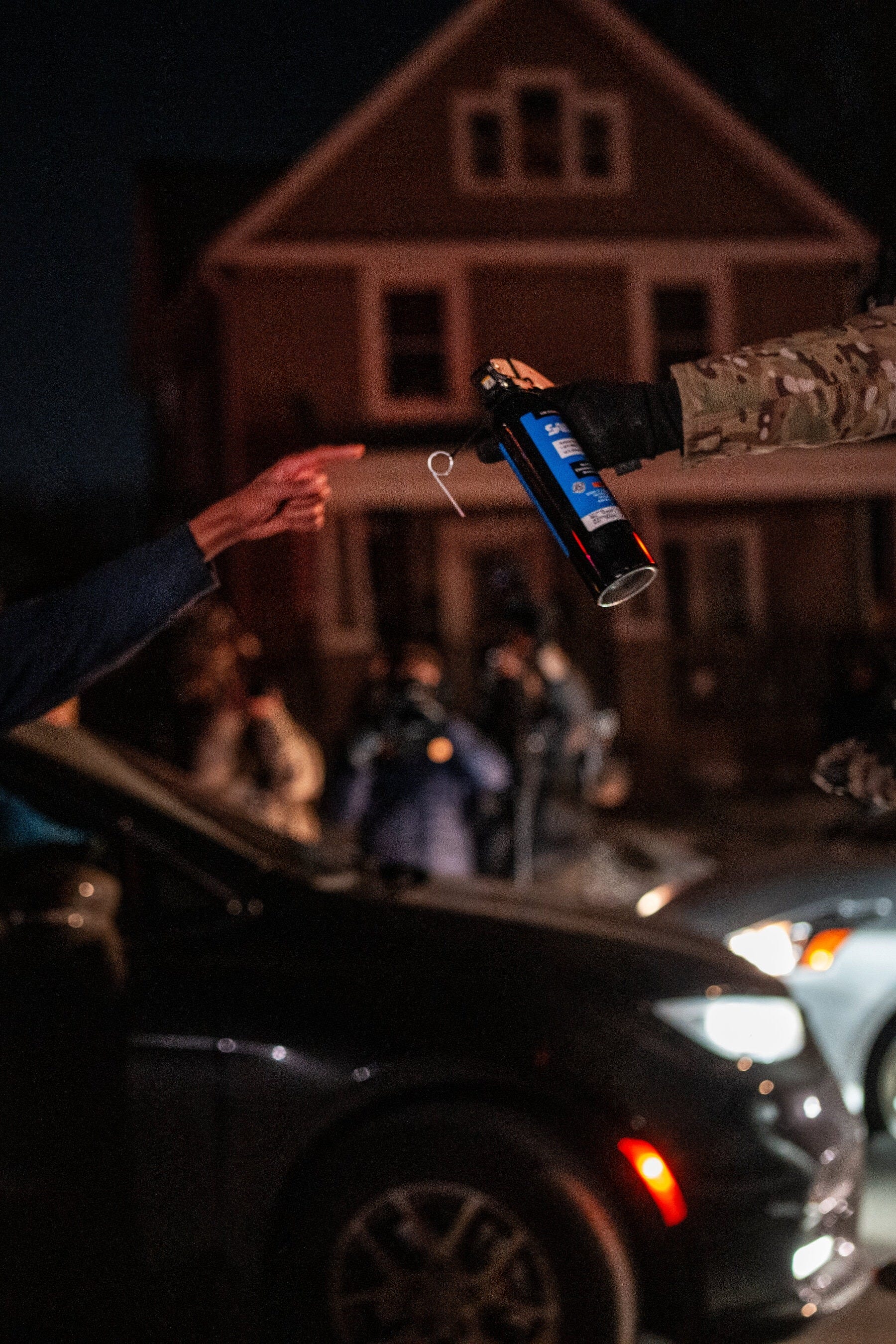
Closer to the center of Navidi’s frame, an agent’s chemical spray rides in his shirt pocket; to the right, a woman in a brown coat grips a water bottle, ready to flush someone’s eyes if that spray is used. The picture quietly pits weapon against antidote—state chemical agents against neighborhood first aid—turning domestic items into icons of everyday defense.
Journalists Represent
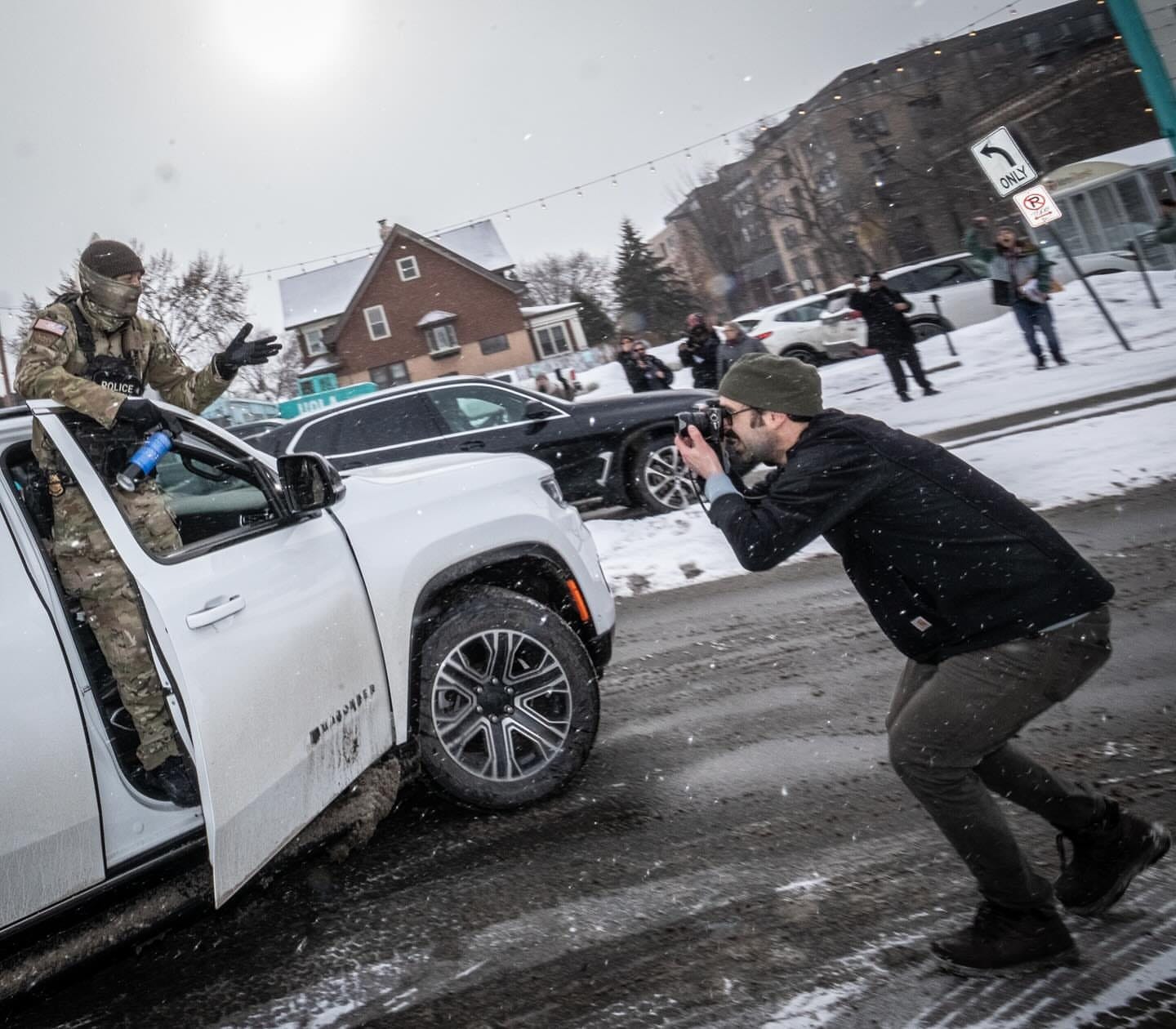
Here the journalist is not just a byline but a protagonist, part of the visible frontline. In Navidi’s picture, that role doubles: Sam Stroozas, the MPR reporter anchoring the frame in her bathrobe and slippers, and Leila Navidi, the Star Tribune photographer behind the camera, are witnesses of the witnesses, documenting a citizenry that has turned its cameras—and its attention—back on the state.
Minnesota Strong
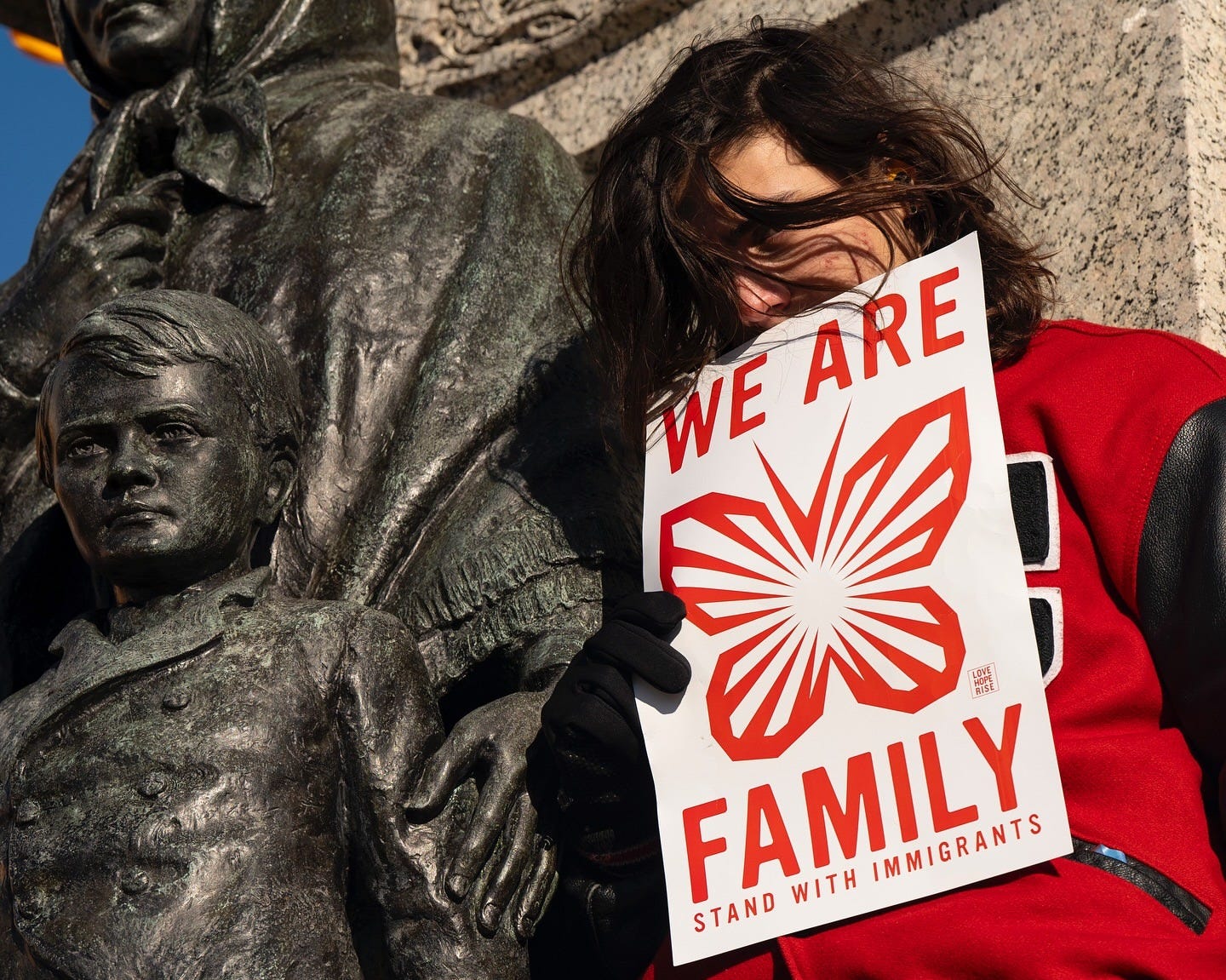
Across Minneapolis, scenes like this show neighbors tending to one another in public space, reinforcing that resistance is also mutual care—rides, food, warmth, information. This is a city that learned, brutally and publicly, how to face federal force during the George Floyd uprising, and the administration misreads that history if it thinks Minneapolis will meet an ICE occupation with fear instead of practiced solidarity.
Navidi’s frame condenses that experience into a single confrontation on a residential street, where everyone is someone’s backup and no one stands alone.
Chatting the Pictures is a podcast for pictures. In these 3–4 minute videos, writer and photo historian Cara Finnegan and psychologist and Reading the Pictures publisher Michael Shaw closely examine essential news photos, complemented by related imagery. Produced by Liliana Michelena, the series archive is available on our legacy website, with recent examples on our Instagram feed.
Despite our visually saturated culture, Reading the Pictures remains one of the few places dedicated to analyzing news photography and media images. To receive new posts and support our work, consider becoming a free or paid subscriber.